
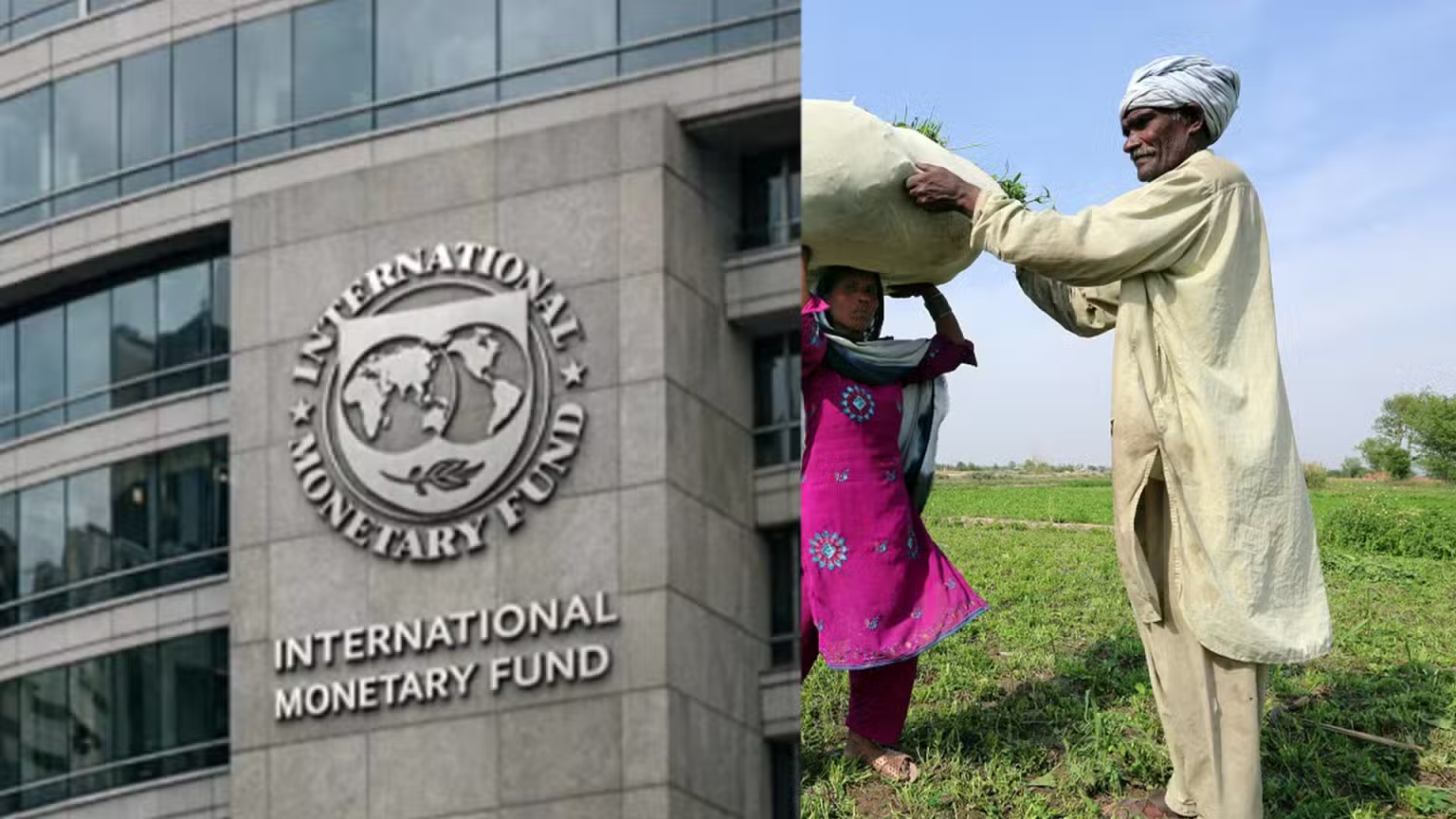
The International Monetary Fund (IMF) has raised concerns over Pakistan’s weak collection of agricultural income tax despite significant increases in tax rates for the sector.
During recent discussions with Pakistani authorities, the IMF was informed that agriculture income tax revenue remained well below expectations. The issue has become part of broader discussions about improving provincial revenue collection.
Agricultural income tax rates were increased substantially in 2025, with the higher structure bringing the top rate to 45 percent, in line with the rate applicable to business income. However, the increase in statutory rates has not translated into a comparable rise in actual collections.
The IMF’s latest Pakistan staff report identifies agriculture as the country’s largest undertaxed sector. According to the report, agriculture accounted for 24.6 percent of value added, while its effective tax rate was estimated at only 0.3 percent based on the analysis cited by the IMF.
Agricultural income tax is collected by provincial governments in Pakistan. The IMF has therefore emphasized the need for provinces to strengthen implementation, enforcement and administrative systems so that the revised tax framework produces the expected revenue.
Recent figures discussed with the IMF show the scale of the collection gap. Sindh collected around Rs1.1 billion in agricultural income tax in the last fiscal year against a target of Rs2 billion.
Punjab also fell short of its target. The province collected approximately Rs4 billion compared with a target of Rs10.5 billion for the previous fiscal year, according to details reported after the latest IMF discussions.
The situation has kept agricultural taxation in focus as Pakistan works to broaden its overall tax base. The IMF has repeatedly highlighted the need to increase revenue from sectors that currently contribute less tax relative to their economic activity.
The Fund’s April 2026 staff report said Pakistan’s overall tax revenue had reached its highest level in the period covered by its analysis but remained below the levels seen in comparable economies. It also called for sustained revenue mobilization because of the country’s development needs and high public debt.
The IMF has also pointed to administrative weaknesses as one reason agriculture tax reforms have not yet generated the expected results. The Fund has recommended greater use of data sharing between the Federal Board of Revenue (FBR) and provincial authorities, automation of agricultural income tax procedures and additional resources for enforcement.
Data sharing is already part of discussions between federal and provincial authorities. According to recent reporting, an agreement between the FBR and Sindh government provides for sharing agricultural income information contained in FBR tax returns.
For Pakistan, improving agricultural tax collection is linked to the wider effort to increase provincial revenues and strengthen fiscal management. The IMF’s current programme includes measures aimed at broadening the tax base and improving revenue administration.
The issue does not simply concern the level of tax rates. Effective collection also depends on taxpayer registration, accurate income information, enforcement capacity and coordination between government institutions.
The IMF has therefore focused on both the tax structure and the ability of provincial governments to implement the revised agriculture income tax system.
As Pakistan continues its economic reform programme, agriculture taxation is expected to remain an important part of discussions over revenue mobilization and federal-provincial fiscal coordination.
The latest figures indicate that raising tax rates alone has not closed the gap between agriculture income tax targets and actual provincial collections, leaving implementation and enforcement as key areas of focus.