
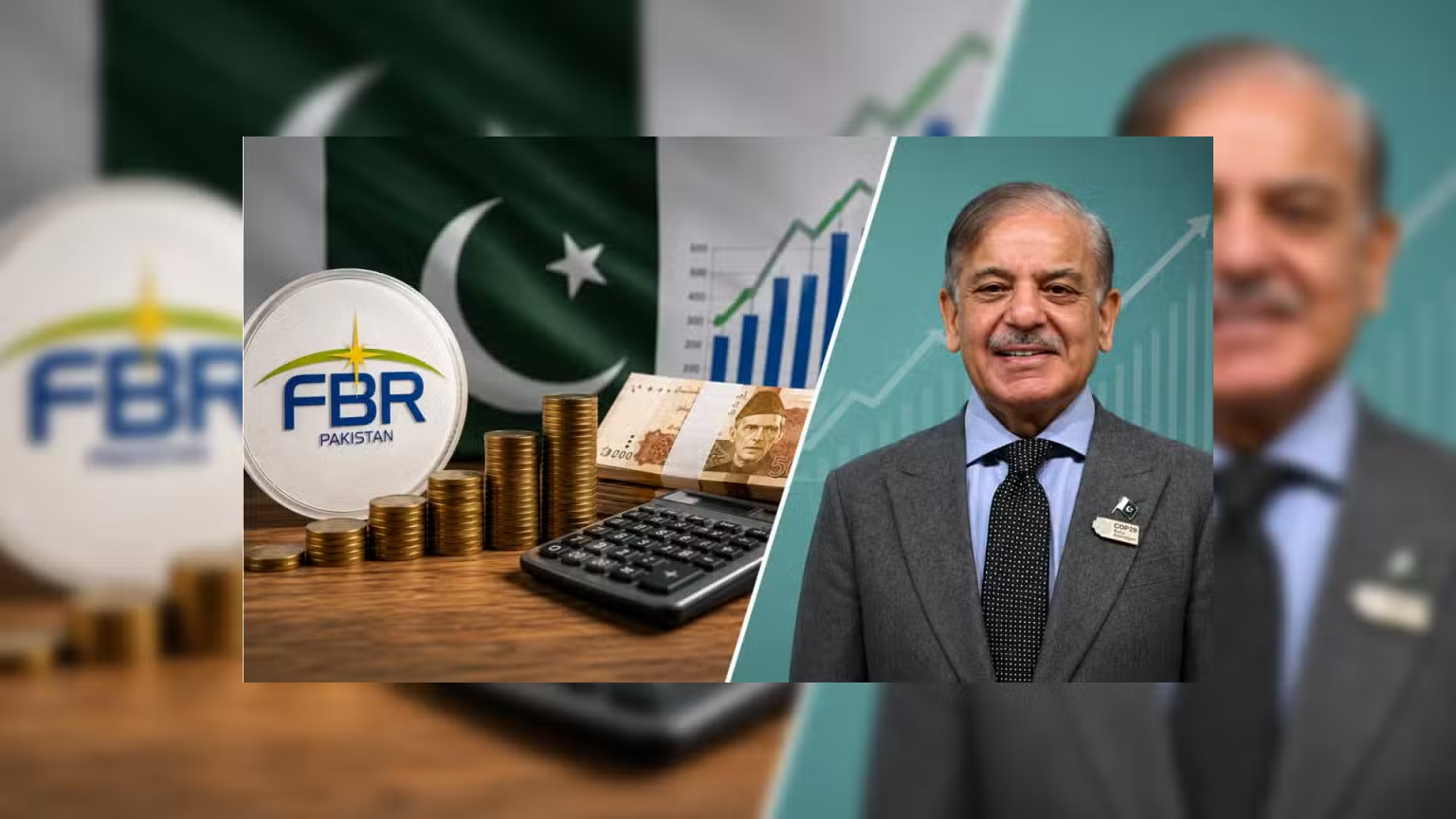
The Multan Tax Bar Association (MTBA) has urged Prime Minister Shehbaz Sharif to review the enforcement powers of the Federal Board of Revenue (FBR), particularly those involving raids, inspections, searches and other actions taken for tax collection purposes.
In a letter addressed to the prime minister, the tax lawyers expressed concern over what they described as an increase in visits, inspections, raids and search-related activities by FBR field formations as the end of a month, quarter or budget period approaches.
The association clarified that its concern was not about the lawful exercise of FBR powers in genuine cases involving tax evasion or non-compliance. Instead, it raised concerns about the frequency and timing of enforcement activities and their impact on taxpayers.
The MTBA has asked the prime minister to take notice of the issue and consider measures that could ensure enforcement actions are carried out within an appropriate legal and administrative framework.
The concerns come at a time when tax collection and enforcement remain major priorities for the federal government. The FBR has continued to report enforcement-related measures as part of its efforts to increase revenue and improve tax compliance.
The government has also been pursuing reforms aimed at modernizing the tax administration system. Prime Minister Shehbaz Sharif has previously directed the FBR to strengthen enforcement against tax evasion while also giving priority to taxpayer facilitation and engagement with the business community.
According to the MTBA, the issue becomes particularly important when enforcement activity appears to increase near revenue reporting deadlines. The association believes that taxpayers should have clarity regarding the circumstances in which inspections, searches or other enforcement measures are undertaken.
The FBR, meanwhile, maintains official records of its enforcement and raid activities. Its published reports include monthly information on raids and seizures carried out under relevant enforcement operations.
The dispute highlights the broader balance between tax enforcement and taxpayer facilitation in Pakistan. While authorities seek to improve revenue collection and address tax violations, businesses and tax professionals have also called for predictable and transparent procedures.
For taxpayers, clear enforcement procedures can help provide greater certainty about inspections and investigations. For the government, effective enforcement remains important for expanding the tax base and meeting revenue targets.
The federal government has set ambitious revenue objectives for the current fiscal year. In July 2026, the prime minister said the FBR had exceeded its previous fiscal-year target of Rs. 12.957 trillion and set a target of more than Rs. 15 trillion for FY2026-27. He also directed officials to maintain taxpayer facilitation alongside revenue collection.
The MTBA’s request therefore comes amid a wider debate over how Pakistan can increase tax revenues while maintaining a transparent and taxpayer-friendly enforcement system.
The association has specifically asked Prime Minister Shehbaz Sharif to examine the use of FBR enforcement powers and address what it considers excessive or poorly timed visits, inspections and raids.
Any changes to FBR enforcement procedures would ultimately depend on decisions by the federal government and the relevant authorities. For now, the MTBA’s letter has brought renewed attention to the relationship between tax enforcement, revenue targets and taxpayer rights in Pakistan.
Author

webdesk@pakbuzztoday.com
Related Posts

IMF Raises Concerns Over Pakistan’s Low Agriculture Tax Collection
The International Monetary Fund (IMF) has raised concerns over Pakistan’s weak collection of agricultural income tax despite significant increases in tax rates...

Noor Zaman Secures Third Place at Asian Games 2026 Squash
Pakistan’s Noor Zaman secured third place in the men’s singles squash competition at the Asian Games 2026 after defeating compatriot Muhammad Ashab...
Islamabad Court Issues Bailable Arrest Warrants for CDA Chairman
An Islamabad civil court has issued bailable arrest warrants for the chairman of the Capital Development Authority (CDA) over the alleged failure...

Motorway Police Opens Driving License Facilitation Center in Sindh
The National Highways and Motorway Police (NHMP) has opened its first Driving Licensing Authority (DLA) Facilitation Center in Sindh, introducing technology-based driving...

Pakistan Consulate Jeddah Launches Online Appointment System for NADRA and Passport Services
The Consulate General of Pakistan in Jeddah has introduced a new online appointment system for NADRA and Machine-Readable Passport (MRP) services, providing...

PIA Board Approves Leasing of Five Boeing Aircraft for Europe and UK Operations
The board of Pakistan International Airlines (PIA) has approved plans to lease five Boeing aircraft as the national airline prepares to support...