

The federal government is set to introduce a nationwide digital fuel monitoring system after Prime Minister Shehbaz Sharif directed authorities to develop an FBR-style tracking mechanism to improve transparency and prevent fuel hoarding across Pakistan.
The initiative is part of a broader reform agenda for the Oil and Gas Regulatory Authority (OGRA), aimed at strengthening regulatory oversight, improving accountability, and ensuring a more efficient petroleum supply chain.
During a high-level meeting on OGRA reforms, Prime Minister Shehbaz Sharif instructed officials to implement advanced digital technology capable of monitoring petroleum movement from the point of import and refining all the way to storage facilities and retail petrol pumps. The proposed system is expected to provide real-time visibility into fuel distribution, making it easier to detect irregularities, illegal stockpiling, and supply disruptions.
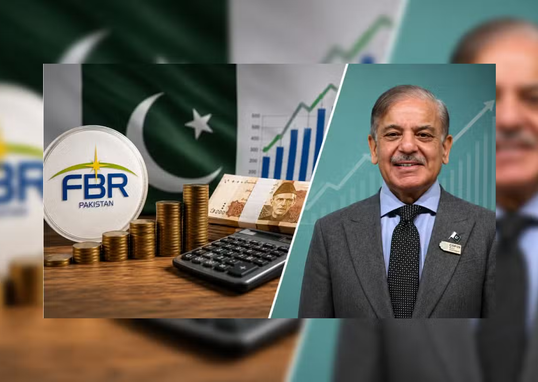
The government intends to model the new mechanism after the Federal Board of Revenue’s (FBR) digital tracking system, which has been widely used to improve monitoring and compliance in tax administration. By applying similar technology to the petroleum sector, authorities hope to create a more transparent and accountable fuel distribution network.
Fuel hoarding has remained a recurring challenge in Pakistan, particularly during periods of rising international oil prices or anticipated domestic price adjustments. Artificial shortages often lead to panic buying, supply disruptions, and increased financial pressure on consumers. Officials believe a centralized digital monitoring system will significantly reduce opportunities for manipulation within the petroleum supply chain.
In addition to introducing digital monitoring, the prime minister directed comprehensive institutional reforms within OGRA. He emphasized that experienced professionals from the private sector should be appointed through a transparent and merit-based recruitment process to strengthen the regulator’s technical expertise and operational capacity.
The government also stressed the importance of improving coordination between regulatory authorities and their respective ministries. Enhanced collaboration is expected to accelerate decision-making, strengthen policy implementation, and improve overall governance within Pakistan’s energy sector.
Another major directive issued during the meeting focused on expediting the implementation of Pakistan’s refinery upgradation policy. Modernizing domestic refineries remains a key government objective to improve fuel quality, increase refining capacity, reduce dependence on imported petroleum products, and support long-term energy security.
Energy analysts believe that digital oversight combined with institutional reforms could significantly improve efficiency in Pakistan’s petroleum sector. Better monitoring of fuel movement would help authorities respond more quickly to supply issues while increasing public confidence in the country’s fuel distribution system.
The latest initiative reflects the government’s broader push toward digital governance and regulatory modernization. If implemented successfully, the FBR-style tracking system could play a crucial role in reducing fuel hoarding, enhancing transparency, and ensuring a more reliable supply of petroleum products nationwide.
Author

webdesk@pakbuzztoday.com
Related Posts

Sindh Records Pakistan’s Lowest Rainfall During 2026 Monsoon Season
Sindh experienced the lowest rainfall among Pakistan’s provinces during the 2026 monsoon season, with the province receiving significantly less rain than its...
Tax Lawyers Urge PM Shehbaz to Restrict FBR Enforcement Powers
The Multan Tax Bar Association (MTBA) has urged Prime Minister Shehbaz Sharif to review the enforcement powers of the Federal Board of...

IMF Raises Concerns Over Pakistan’s Low Agriculture Tax Collection
The International Monetary Fund (IMF) has raised concerns over Pakistan’s weak collection of agricultural income tax despite significant increases in tax rates...

Noor Zaman Secures Third Place at Asian Games 2026 Squash
Pakistan’s Noor Zaman secured third place in the men’s singles squash competition at the Asian Games 2026 after defeating compatriot Muhammad Ashab...
Islamabad Court Issues Bailable Arrest Warrants for CDA Chairman
An Islamabad civil court has issued bailable arrest warrants for the chairman of the Capital Development Authority (CDA) over the alleged failure...

Motorway Police Opens Driving License Facilitation Center in Sindh
The National Highways and Motorway Police (NHMP) has opened its first Driving Licensing Authority (DLA) Facilitation Center in Sindh, introducing technology-based driving...