
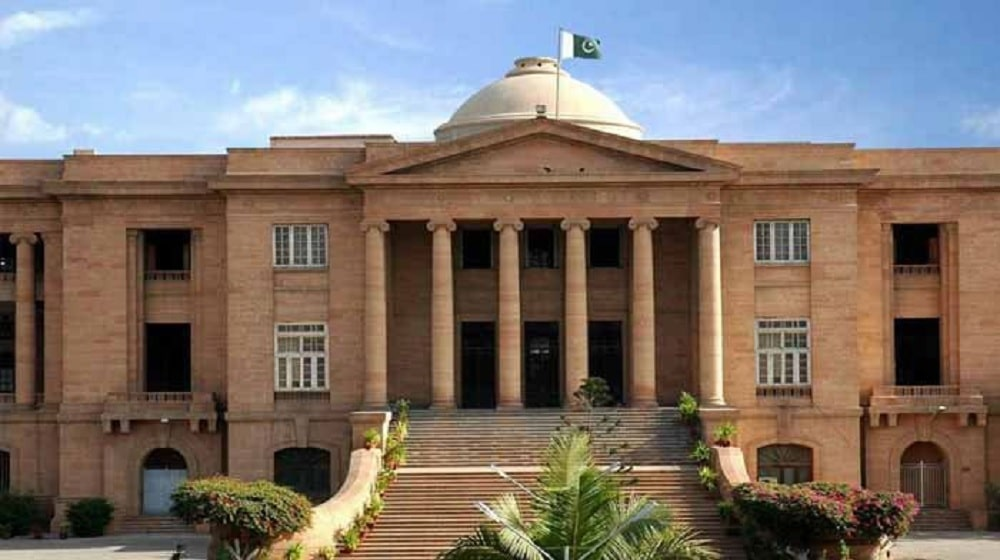
The Sindh High Court (SHC) has dismissed a petition filed by a candidate seeking appointment as a primary school teacher, ruling that he was not eligible for recruitment due to holding dual domiciles during the selection process.
The case was heard on Tuesday, where the petitioner challenged the decision to withhold his appointment despite successfully passing the recruitment examination for the teaching position. The candidate argued that he had met the required merit criteria and should have been considered for the post.
During the proceedings, the petitioner’s counsel informed the court that his client had cleared the recruitment test but was denied an appointment letter after authorities discovered that he possessed two domiciles. According to the lawyer, the candidate had initially held a Punjab domicile but later shifted to Karachi and subsequently cancelled the earlier domicile.
The petitioner maintained that the cancellation of the Punjab domicile should have resolved any concerns regarding eligibility. His legal team also alleged that the recruitment process involved discriminatory treatment and that the candidate had been unfairly denied employment.
However, the Sindh High Court examined the matter and concluded that the petitioner was ineligible under the applicable recruitment rules due to the dual domicile issue. The court ultimately dismissed the plea, upholding the decision of the relevant authorities.
Domicile certificates play a crucial role in public sector recruitment across Pakistan, particularly for positions allocated under provincial and regional quotas. Government departments typically require applicants to possess a valid domicile corresponding to the area or province under which they seek employment.
The case highlights the importance of compliance with recruitment regulations and documentation requirements during public sector hiring processes. Authorities often scrutinize domicile records to ensure transparency, fairness, and adherence to quota-based recruitment policies.
Legal experts note that domicile-related disputes frequently arise in recruitment cases, especially when candidates relocate between provinces or seek to update their residency status. Courts generally assess such matters based on the applicable laws, recruitment policies, and the timing of any changes made to official documents.
The ruling serves as a reminder to job applicants to ensure that all eligibility requirements and supporting documents are fully compliant before participating in government recruitment drives. Any discrepancies in official records can potentially affect a candidate’s chances of securing public sector employment.
As recruitment processes become increasingly competitive, courts and government departments continue to emphasize strict adherence to eligibility criteria to maintain transparency and uphold merit-based hiring standards.
Author

webdesk@pakbuzztoday.com
Related Posts

Sindh Records Pakistan’s Lowest Rainfall During 2026 Monsoon Season
Sindh experienced the lowest rainfall among Pakistan’s provinces during the 2026 monsoon season, with the province receiving significantly less rain than its...

Tax Lawyers Urge PM Shehbaz to Restrict FBR Enforcement Powers
The Multan Tax Bar Association (MTBA) has urged Prime Minister Shehbaz Sharif to review the enforcement powers of the Federal Board of...

IMF Raises Concerns Over Pakistan’s Low Agriculture Tax Collection
The International Monetary Fund (IMF) has raised concerns over Pakistan’s weak collection of agricultural income tax despite significant increases in tax rates...

Noor Zaman Secures Third Place at Asian Games 2026 Squash
Pakistan’s Noor Zaman secured third place in the men’s singles squash competition at the Asian Games 2026 after defeating compatriot Muhammad Ashab...
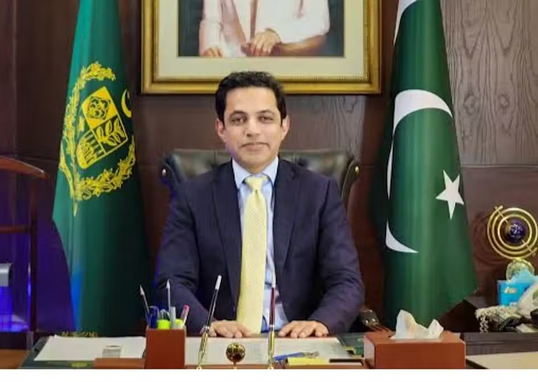
Islamabad Court Issues Bailable Arrest Warrants for CDA Chairman
An Islamabad civil court has issued bailable arrest warrants for the chairman of the Capital Development Authority (CDA) over the alleged failure...

Motorway Police Opens Driving License Facilitation Center in Sindh
The National Highways and Motorway Police (NHMP) has opened its first Driving Licensing Authority (DLA) Facilitation Center in Sindh, introducing technology-based driving...