
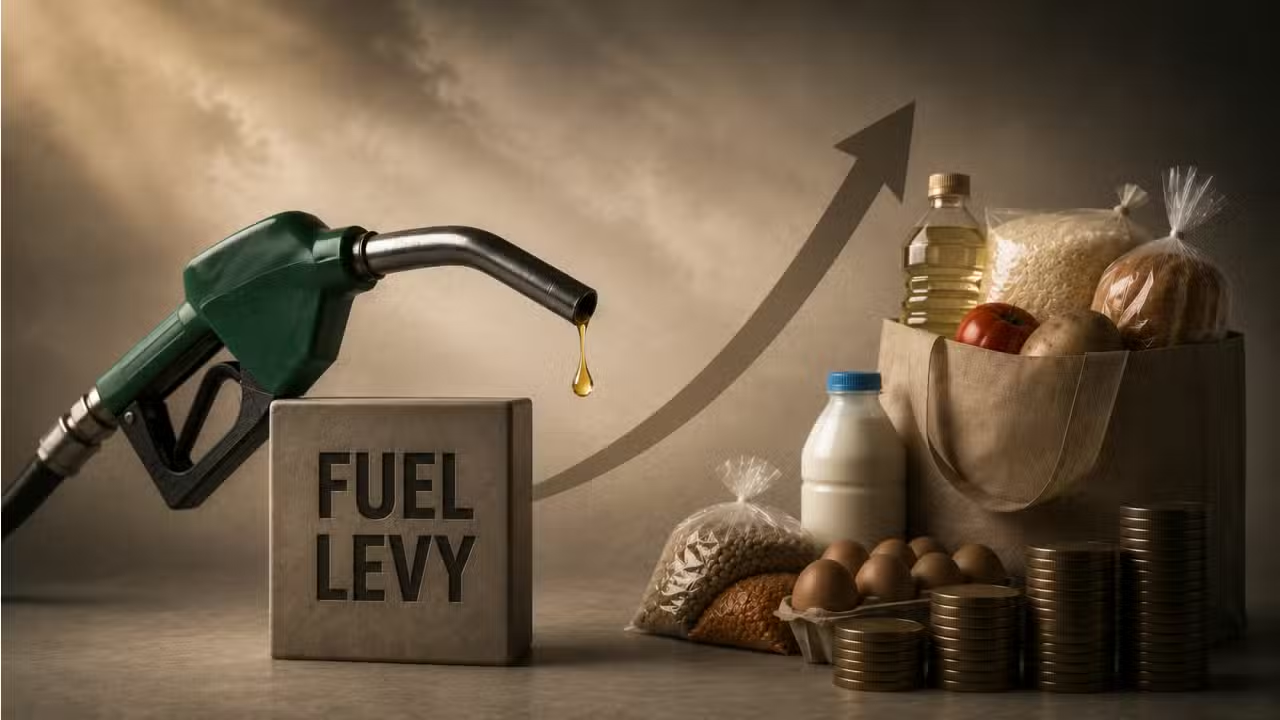
The federal government has projected a substantial increase in non-tax revenue for the fiscal year 2026-27, with total collections expected to exceed Rs. 53 trillion. The figures, outlined in the latest budget documents, highlight the government’s reliance on petroleum levies, central bank profits, and other non-tax income sources to strengthen public finances.
According to official estimates, non-tax revenue is projected to reach more than Rs. 53,355 billion during FY2026-27. This represents an increase compared to the estimated Rs. 50,936 billion expected to be collected during the current fiscal year.
A significant portion of the projected revenue is expected to come from petroleum levies, which have become one of the government’s most important sources of non-tax income in recent years. Revenue generated through fuel-related charges continues to play a crucial role in supporting fiscal targets and financing government expenditures.
In addition to petroleum levies, profits transferred by the central bank are expected to remain a major contributor to the national exchequer. These transfers have increasingly become a key component of non-tax revenue, helping the government manage budgetary requirements without relying solely on conventional taxation measures.
The rise in projected non-tax revenue reflects the government’s broader strategy to diversify income streams while maintaining fiscal stability. Authorities believe stronger collections from levies, state-owned entities, and other non-tax sources will help reduce pressure on direct taxation and support overall revenue objectives.
Economic analysts note that non-tax revenues have gained greater importance as policymakers seek to improve budget management and address fiscal challenges. Higher collections from petroleum levies and institutional profits can provide additional financial space for development spending and public sector initiatives.
The latest budget projections also underline the government’s commitment to meeting ambitious revenue targets for the upcoming fiscal year. Increased non-tax income is expected to complement tax collection efforts and contribute to overall economic planning.
While the projections signal confidence in revenue growth, experts will closely monitor actual collections throughout the fiscal year to assess whether the targets can be achieved. Factors such as fuel consumption trends, global energy prices, and central bank profitability could influence final outcomes.
The FY2026-27 budget demonstrates the government’s continued focus on leveraging non-tax revenue sources, with fuel levies and central bank profits expected to remain among the largest contributors to Pakistan’s financial framework.
Author

webdesk@pakbuzztoday.com
Related Posts

Motorway Police Opens Driving License Facilitation Center in Sindh
The National Highways and Motorway Police (NHMP) has opened its first Driving Licensing Authority (DLA) Facilitation Center in Sindh, introducing technology-based driving...

Pakistan Consulate Jeddah Launches Online Appointment System for NADRA and Passport Services
The Consulate General of Pakistan in Jeddah has introduced a new online appointment system for NADRA and Machine-Readable Passport (MRP) services, providing...

PIA Board Approves Leasing of Five Boeing Aircraft for Europe and UK Operations
The board of Pakistan International Airlines (PIA) has approved plans to lease five Boeing aircraft as the national airline prepares to support...

Makkah Grand Mosque Muezzin Sheikh Ibrahim Al-Madani Passes Away at 51
Sheikh Ibrahim bin Adel Al-Madani, a muezzin at the Grand Mosque in Makkah, has passed away at the age of 51, according...
Fast Cables Seeks Approval for Rs. 1 Billion Capital Plan
Fast Cables Limited has proposed a capital plan worth more than Rs. 1 billion, with the company seeking shareholder approval to use...

PCB Expands School Cricket Programme to 1,400 Schools Across 100 Districts
The Pakistan Cricket Board (PCB) has significantly expanded its School Cricket Programme for the current season, with the competition now set to...