
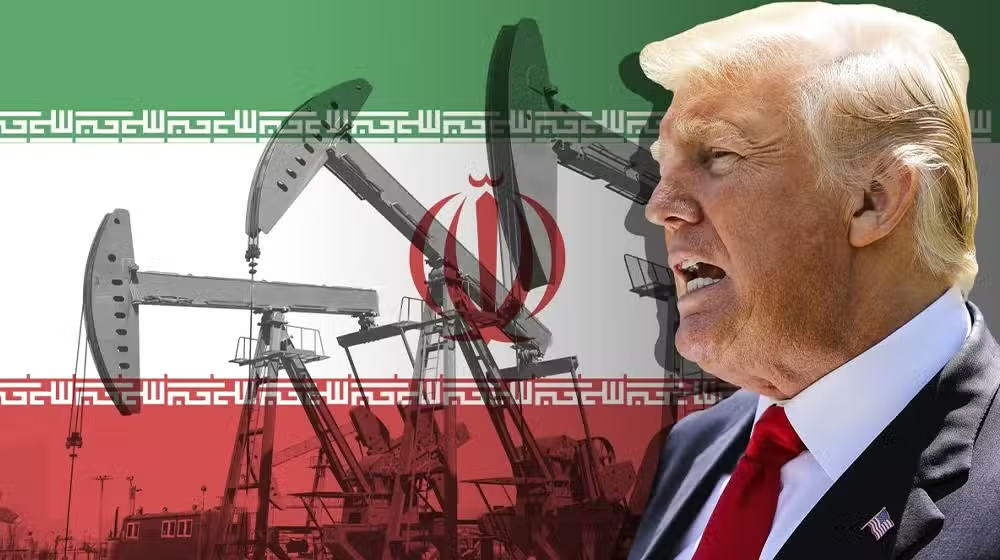
Global oil markets witnessed a sharp decline as prices slipped below the $100 per barrel mark following fresh geopolitical signals from Donald Trump. The unexpected comments regarding a potential end to tensions with Iran triggered an immediate reaction across energy markets.
Benchmark Brent Crude dropped more than 4 percent during early European trading, falling to around $99 per barrel. This marks the first time in nearly a week that prices have dipped below the triple-digit threshold, reflecting shifting market sentiment.
Similarly, West Texas Intermediate (WTI) crude also declined, hovering near $97 per barrel. The synchronized drop in both major oil benchmarks highlights how sensitive global energy prices remain to geopolitical developments.
The downturn followed remarks made by Trump from the Oval Office, where he indicated that the United States could withdraw from the Iran conflict within the next two to three weeks. He suggested that military operations may conclude sooner than expected, easing fears of prolonged disruption in oil supply routes.
Markets had previously priced in the risk of extended conflict, particularly concerns around supply interruptions in key oil-producing regions. Any indication of de-escalation tends to reduce risk premiums, leading to immediate price corrections.
Analysts note that oil prices are heavily influenced by geopolitical stability, especially in the Middle East. With tensions appearing to ease, traders are recalibrating expectations around supply continuity and global demand.
The drop below $100 is significant as it signals a potential cooling phase in oil markets, at least in the short term. However, experts caution that volatility may persist, given the unpredictable nature of geopolitical developments.
For energy-importing countries like Pakistan, lower oil prices could provide temporary relief by reducing import costs and easing pressure on foreign exchange reserves. This could also have a positive impact on inflation and fuel prices domestically.
As the situation evolves, global markets will continue to monitor political developments closely. Any confirmation of reduced conflict or troop withdrawal could further stabilize oil prices, while renewed tensions may quickly reverse the trend.
Author

webdesk@pakbuzztoday.com
Related Posts
Emergency Alert Issued for Makkah, Jeddah and Taif Amid Yemen Strike Threat
Saudi Arabian authorities have issued emergency alerts for residents and visitors in Makkah, Jeddah and Taif amid growing security concerns following attacks...

Pakistan Confirms Participation in India-Hosted Asian Champions Trophy
Pakistan will participate in the upcoming Men’s Asian Champions Trophy hockey tournament in India, with the decision bringing the national team into...

Pakistan Launches FIFA Football Program Across 3,000 Government Schools
Pakistan has launched a major grassroots football initiative aimed at introducing and developing the sport among millions of students across the country’s...

Senate Committee Raises Corruption Concerns Over Sindh Motorway Toll Collection
The Senate Standing Committee on Communications has raised concerns over alleged corruption within Pakistan’s motorway system, with particular attention given to toll...

Lahore Set for Major Beautification Ahead of Basant 2027
Lahore is set to undergo a major beautification drive ahead of the planned Basant Festival 2027, with authorities preparing a cultural and...

Pakistani Wrestling Star Inam Butt Withdraws From Asian Games 2026
Renowned Pakistani wrestler Inam Butt has withdrawn from the upcoming Asian Games 2026 in Japan following a positive doping test, according to...