
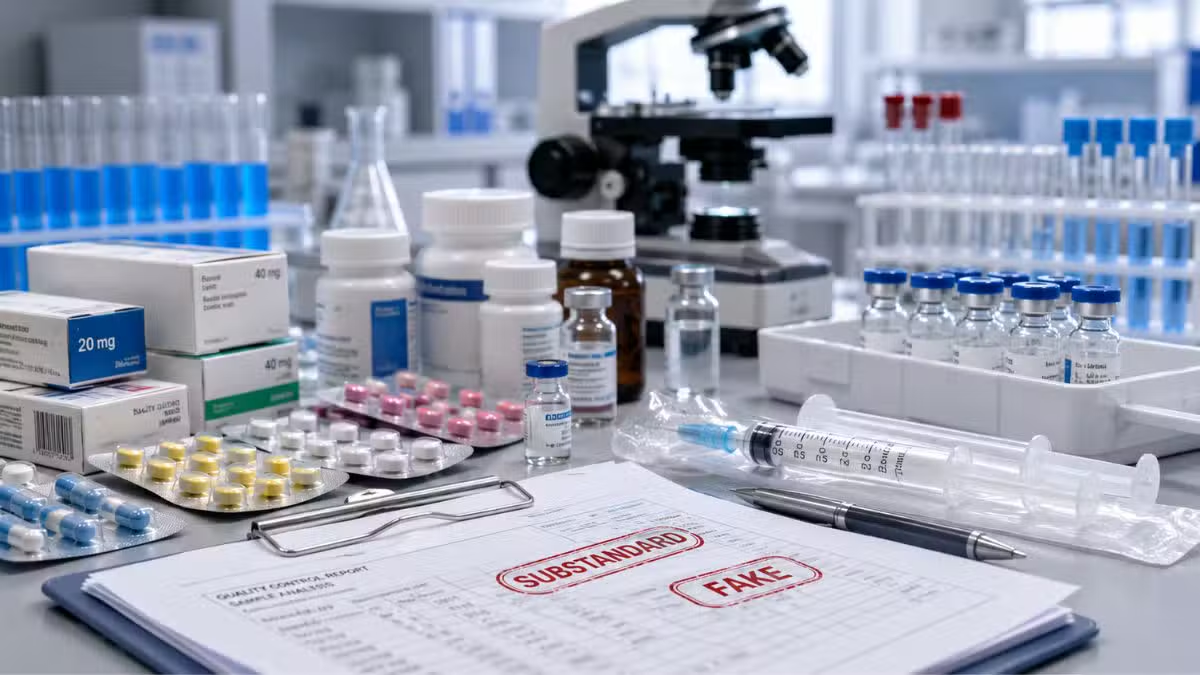
The Drug Testing Laboratory Sindh has declared 79 samples of medicines, herbal products, and syringes as fake or substandard after conducting extensive quality testing during the first half of the year. The findings highlight the province’s continued efforts to strengthen pharmaceutical quality control and protect public health.
According to the laboratory’s latest report, officials tested 2,461 samples between January and July 13. Out of the total, 79 samples failed to meet the required quality standards, raising concerns over the circulation of counterfeit and low-quality healthcare products in the market.
The testing process covered a wide range of pharmaceutical products, including prescription medicines, herbal preparations, and medical devices such as syringes. Samples that failed laboratory analysis were classified as either substandard or fake after they did not comply with the approved safety, quality, or efficacy requirements.
Health authorities regularly conduct laboratory testing to ensure that medicines available to the public meet national regulatory standards. These inspections are designed to identify counterfeit products, prevent unsafe medicines from reaching patients, and maintain confidence in Pakistan’s healthcare system.
The presence of fake or poor-quality medicines can pose serious health risks, including ineffective treatment, adverse reactions, delayed recovery, and the development of drug-resistant diseases. Medical experts advise consumers to purchase medicines only from licensed pharmacies and verify product packaging before use.
Officials also encourage healthcare providers, pharmacists, and distributors to report any suspected counterfeit or substandard products to the relevant regulatory authorities. Timely reporting can help remove unsafe products from the supply chain and protect patients from potential harm.
The Drug Testing Laboratory Sindh continues to monitor pharmaceutical products through routine surveillance and quality assessments. Such inspections play an important role in supporting the provincial government’s efforts to improve healthcare standards and ensure that medicines sold in the market comply with regulatory requirements.
Authorities are expected to take appropriate regulatory action against manufacturers, distributors, or suppliers found responsible for producing or circulating products that fail quality tests. These measures may include product recalls, legal proceedings, and stricter monitoring to prevent future violations.
The latest report underscores the importance of continuous quality assurance in Pakistan’s pharmaceutical sector. Health officials say regular testing and enforcement remain essential to safeguarding public health and ensuring access to safe, effective, and high-quality medicines.