
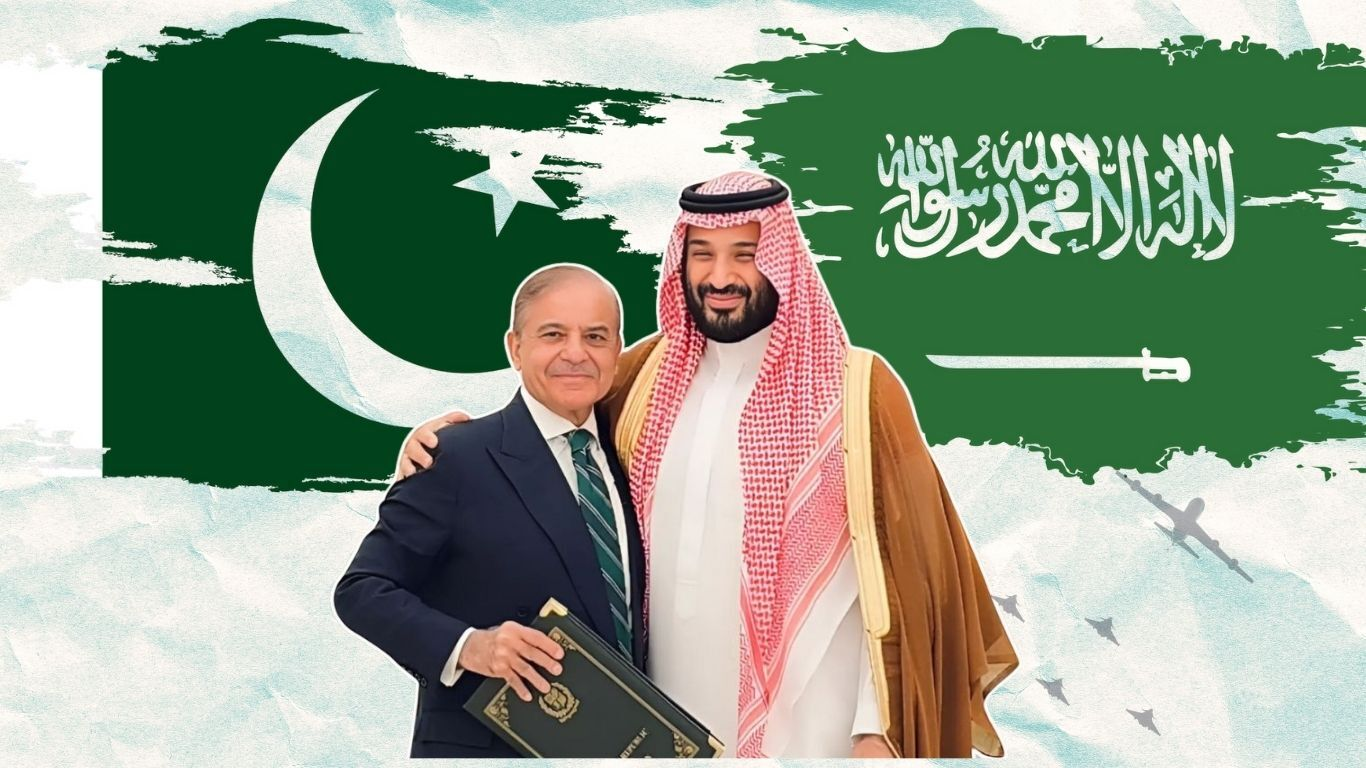
Pakistan and Saudi Arabia have agreed to expand cooperation in artificial intelligence, data governance and emerging technologies, paving the way for a broader long-term technology partnership between the two countries.
The agreement was reached during a meeting between Federal Minister for Information Technology and Telecommunication Shaza Fatima Khawaja and Saudi Data and Artificial Intelligence Authority (SDAIA) President Abdullah bin Sharaf Alghamdi.
The meeting took place on the sidelines of the LEAP 2026 technology conference in Riyadh, where technology leaders and policymakers from around the world gathered to discuss developments in the digital economy.
During the talks, both sides discussed the possibility of developing a comprehensive and sustainable partnership covering artificial intelligence, data governance and advanced technologies.
Artificial intelligence has become an increasingly important area for governments seeking to modernize public services, improve business processes and build competitive digital economies.
For Pakistan, deeper cooperation with Saudi Arabia could provide opportunities for knowledge sharing, technical collaboration and the development of new technology-related initiatives.
Data governance was another key area discussed by the two sides. Effective data governance can help establish appropriate frameworks for managing, protecting and using data as digital services and AI applications continue to expand.
The proposed cooperation also covers emerging and advanced technologies, suggesting that the partnership could extend beyond artificial intelligence to other areas of the rapidly developing digital economy.
Saudi Arabia has been investing heavily in technology and digital transformation as part of its broader economic diversification efforts. Pakistan, meanwhile, has been seeking to expand its information technology sector and increase its participation in the global digital economy.
Greater cooperation between the two countries could create opportunities for technology companies, startups, researchers and government institutions in both markets.
Pakistan’s IT sector has significant potential in areas such as software development, artificial intelligence, digital services and technology exports. Partnerships with international markets could help Pakistani technology companies gain access to new opportunities.
The involvement of SDAIA is also significant because the Saudi authority plays a central role in the Kingdom’s artificial intelligence and data initiatives.
A structured partnership between Pakistani and Saudi institutions could support joint projects, capacity building and the exchange of expertise in advanced technologies.
The discussions at LEAP 2026 also highlight the growing importance of technology in Pakistan-Saudi economic relations. Cooperation that once focused heavily on traditional sectors is increasingly expanding into digital and technology-driven industries.
A long-term technology partnership could also support the development of specialized skills and create opportunities for professionals in artificial intelligence, data science and other emerging fields.
For both countries, cooperation in AI and data could contribute to innovation while helping government and private-sector organizations make greater use of digital technologies.
The latest agreement reflects growing interest from Pakistan and Saudi Arabia in building stronger ties in the digital economy.
As discussions progress, further agreements and joint initiatives could determine how the proposed partnership translates into practical projects and opportunities in artificial intelligence, data governance and emerging technologies.
Author

webdesk@pakbuzztoday.com
Related Posts

NADRA and FBISE Sign Agreement to Integrate Student Registration and Certificate Systems
The National Database and Registration Authority (NADRA) and the Federal Board of Intermediate and Secondary Education (FBISE) have signed an agreement to...

Fatima Gobi Ventures’ Early Bet on Fasset Pays Off as Fintech Reaches US$1 Billion Valuation
Fatima Gobi Ventures (FGV) has reached a major milestone in Pakistan’s venture capital landscape after its early investment in Fasset helped back...
Read out all
GB Announces Trophy Hunting Permit Rates for 2026-27 Auction
The Gilgit-Baltistan Parks and Wildlife Department has announced the base rates and auction schedule for trophy hunting permits under the GB Trophy...

Four Women From Gilgit-Baltistan Summit 7,027-Metre Spantik Peak Without High-Altitude Porters
Four women mountaineers from Gilgit-Baltistan have successfully reached the summit of Spantik Peak, climbing to an altitude of 7,027 metres without support...

Pakistan to Host 14th South Asian Games From April 3 to 11 Next Year
Pakistan is set to host the 14th South Asian Games from April 3 to 11 next year after the South Asia Olympic...

Pakistan Sets Multiple Unwanted Test Records After Heavy Defeat Against England
Pakistan suffered a disappointing start to its three-match away Test series against England, losing the opening match at Headingley by an innings...