
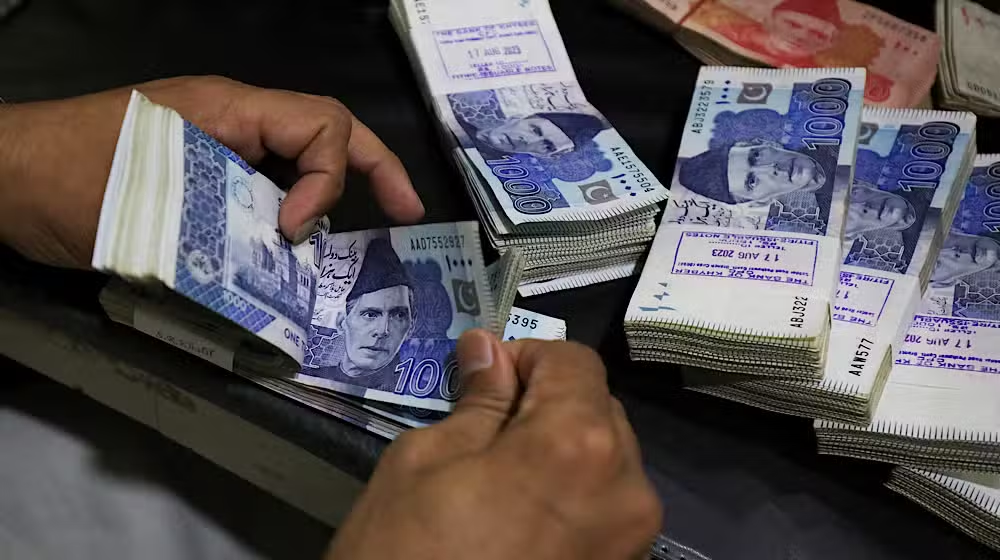
The State Bank of Pakistan has announced a reduction in the Cash Reserve Requirement for commercial banks, signaling a shift toward a more accommodative monetary stance. According to the SBP governor’s press briefing earlier today, the CRR has been cut by 100 basis points, bringing it down to 5 percent on a weekly average basis and 3 percent on a daily basis.
This policy adjustment is expected to release additional liquidity into the banking system, providing banks with greater flexibility to manage funds and support credit activity. By lowering the mandatory reserves that banks must hold with the central bank, SBP aims to improve money flow across the financial sector.
The CRR had previously been increased in November 2021 as part of broader measures to absorb excess liquidity during a period of rising inflationary pressures. At that time, tighter monetary conditions were necessary to control demand and stabilize prices. The latest reduction indicates that the central bank is now more comfortable with the country’s inflation trajectory and overall macroeconomic outlook.
Analysts believe the move reflects growing confidence in inflation moderation and improved monetary transmission. With price pressures easing compared to earlier periods, SBP appears to be recalibrating its policy tools to support economic activity without undermining stability.
Lower reserve requirements can enhance banks’ capacity to extend financing to businesses and consumers. Increased liquidity often translates into improved lending conditions, particularly for working capital needs and productive sectors of the economy. This could support growth momentum, especially as businesses look to expand operations amid improving economic indicators.
The decision may also help ease funding pressures in the interbank market. With more funds available for deployment, banks can manage short-term liquidity needs more efficiently, potentially stabilizing money market rates and reducing volatility.
From a broader perspective, the CRR cut aligns with SBP’s cautious yet supportive policy approach. While inflation risks have not disappeared entirely, the central bank’s decision suggests confidence that current trends are manageable. It also highlights a shift from restrictive measures toward targeted easing designed to strengthen financial intermediation.
Market participants are closely watching how banks utilize the additional liquidity. The effectiveness of the measure will depend on whether the released funds are channeled into productive lending rather than short-term investments. Policymakers are expected to monitor the impact on inflation, credit growth, and overall financial stability.
The reduction in CRR underscores SBP’s evolving policy stance as it balances inflation control with the need to sustain economic recovery. It also sends a signal to investors and businesses that the central bank is responsive to changing economic conditions and willing to adjust policy levers accordingly.
Author

webdesk@pakbuzztoday.com
Related Posts

Osaka Batteries Strengthens Partnership with PCB for HBL PSL 11
Osaka Batteries has renewed its collaboration with the Pakistan Cricket Board for HBL Pakistan Super League Season 11, reinforcing a partnership that...
NITB Seeks Rs. 20 Crore Funding for Smart Traffic Monitoring Project in Islamabad
National Information Technology Board has requested Rs. 208 million in funding for the upcoming fiscal year 2026-27 to advance its Smart Islamabad...

AirSial Expands Network with New Islamabad–Sukkur Weekly Flight
AirSial is set to enhance domestic connectivity by launching a new flight route between Islamabad and Sukkur. The move reflects the airline’s...

BigBaat to Live Stream HBL PSL 11, Expanding Digital Access to Pakistan’s Biggest Cricket Event
Pakistan’s rapidly growing digital platform BigBaat is set to stream the highly anticipated HBL Pakistan Super League 11, bringing fans closer to...
FBR Establishes New Customs Station at Pak-Iran Border to Ease Passenger Movement
The Federal Board of Revenue has set up a new customs station at the border between Pakistan and Iran, aiming to facilitate...

The Ticking Bomb: Pakistan’s Water Crisis Demands Urgent Action
Pakistan is no longer merely water-stressed; it is on the brink of absolute water scarcity. As of 2026, the country’s per capita...