
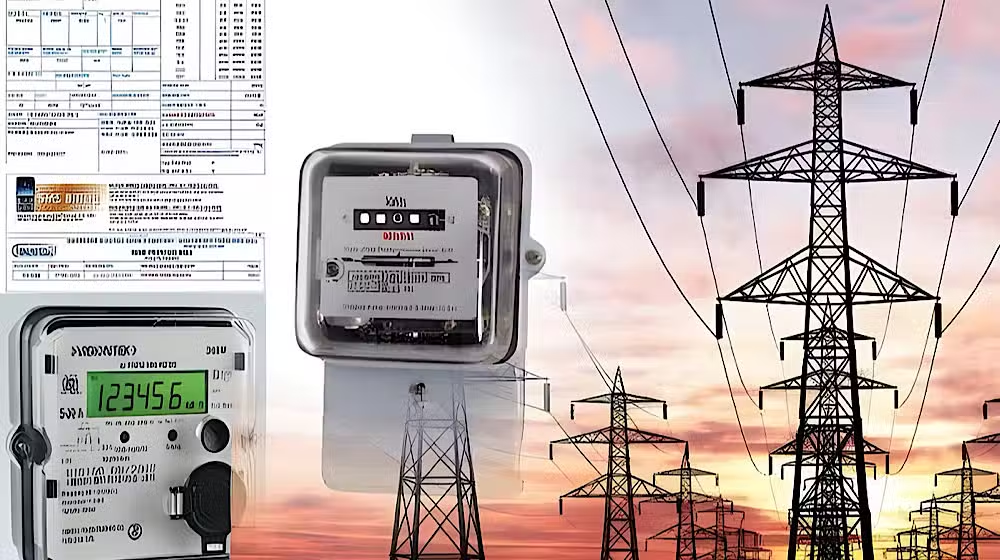
Power producers in Pakistan have requested another increase in electricity tariffs, adding further pressure on consumers already facing rising utility costs. The proposal seeks a hike of Rs. 1.64 per unit for April 2026 bills under the fuel cost adjustment mechanism.
The request has been submitted by the Central Power Purchasing Agency to the National Electric Power Regulatory Authority. It follows a recent increase of Rs. 1.63 per unit that consumers have already been charged this month.
According to officials, the proposed adjustment is linked to higher fuel expenses incurred during electricity generation in February 2026. Fuel cost adjustments are a routine mechanism used to reflect fluctuations in global energy prices and domestic generation costs in consumer bills.
If approved, the increase is expected to place an additional financial burden of approximately Rs. 12.2 billion on electricity users nationwide. This comes at a time when inflationary pressures continue to impact household budgets and business operating costs.
Data shared with the regulator indicates that electricity demand rose by around 11.42 percent compared to the same month last year. However, demand declined by nearly 15 percent when compared to January 2026, suggesting seasonal consumption patterns and fluctuating economic activity.
The proposed hike highlights ongoing challenges in Pakistan’s energy sector, including reliance on imported fuels and variable generation costs. These factors often translate into periodic tariff adjustments, making electricity pricing less predictable for consumers.
Experts note that while fuel cost adjustments are necessary for maintaining the financial viability of power producers, frequent increases can reduce affordability and raise concerns about energy sustainability. Policymakers may need to focus on long-term solutions such as diversifying energy sources and improving efficiency in power generation.
The National Electric Power Regulatory Authority will review the request in a public hearing before making a final decision. Consumers and stakeholders are expected to closely watch the outcome, as it will directly impact electricity bills for April 2026.
Author

webdesk@pakbuzztoday.com
Related Posts

Lahore Adds Five New Padel Courts to Expand Opportunities in Emerging Sports
Lahore has added five newly constructed padel tennis courts as Punjab steps up efforts to promote emerging sports and provide athletes with...
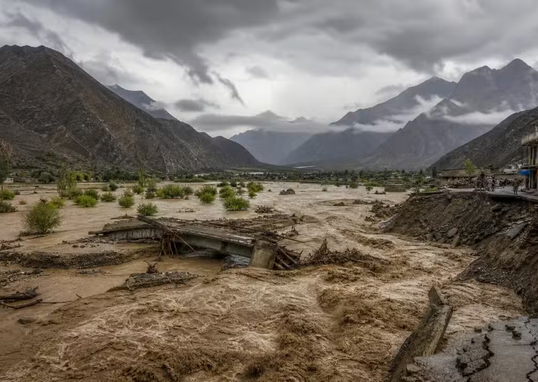
NDMA Declares Next 72 Hours Critical for Northern Areas
The National Disaster Management Authority (NDMA) has declared the next 72 hours critical for several northern areas of Pakistan as heavy rainfall,...
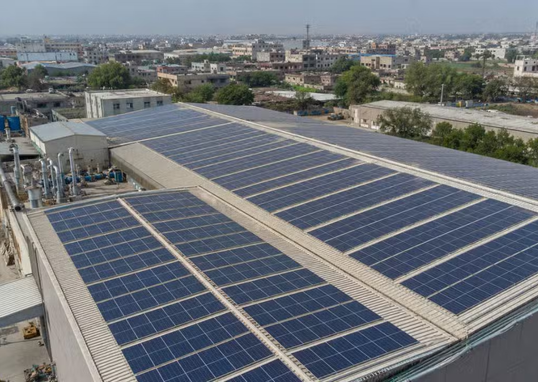
Gilgit-Baltistan to Fast-Track Rs24.9 Billion Solar and Road Projects
The federal government has directed authorities in Gilgit-Baltistan to accelerate work on major energy and infrastructure projects, including a Rs24.9 billion initiative...

Pakistan and Saudi Arabia Strengthen Cooperation in AI, Data Governance and Emerging Technologies
Pakistan and Saudi Arabia have agreed to expand cooperation in artificial intelligence, data governance and emerging technologies, paving the way for a...
NADRA and FBISE Sign Agreement to Integrate Student Registration and Certificate Systems
The National Database and Registration Authority (NADRA) and the Federal Board of Intermediate and Secondary Education (FBISE) have signed an agreement to...

Fatima Gobi Ventures’ Early Bet on Fasset Pays Off as Fintech Reaches US$1 Billion Valuation
Fatima Gobi Ventures (FGV) has reached a major milestone in Pakistan’s venture capital landscape after its early investment in Fasset helped back...
Read out all