
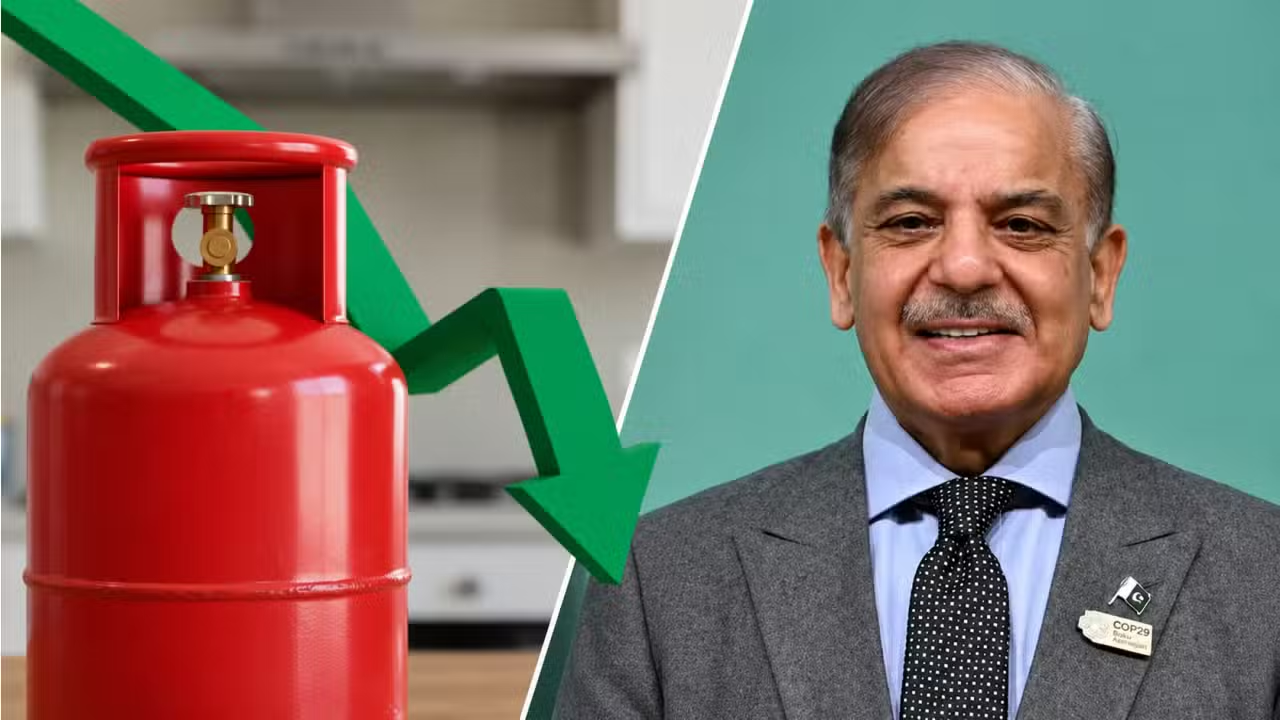
The federal government is preparing major changes to Pakistan’s liquefied petroleum gas (LPG) policy as consumers face sharply rising prices following supply disruptions. Prime Minister Shehbaz Sharif has formed an eight-member ministerial committee to review proposed reforms aimed at changing the country’s LPG import and pricing arrangements.
The development comes as the market price of an 11.57-kilogram LPG cylinder has increased to between Rs. 6,000 and Rs. 7,200, placing additional financial pressure on households that depend on LPG for cooking and other domestic needs.
Under the proposed policy changes, state-owned enterprises (SOEs) could be given responsibility for importing LPG and determining its prices. These prices would then be passed on to private-sector participants operating in the market.
The proposal would introduce a different approach to managing LPG imports and pricing, potentially changing the existing role of the Oil and Gas Regulatory Authority (OGRA) in the process.
The eight-member committee will review the proposed changes before the government makes a final decision. Its formation indicates that the administration is reconsidering the policy framework following concerns raised by industry stakeholders.
The proposed reforms have also generated opposition from several participants in the LPG sector. Marketing companies and dealers have reportedly protested against the policy, arguing that it was being finalized without adequate consultation with businesses operating in the industry.
Industry stakeholders have raised concerns about the decision-making process, particularly because the policy had previously been expected to take effect within a week. Their objections have added pressure on the government to review the proposed arrangements before implementation.
LPG plays an important role in Pakistan’s energy supply, particularly in areas where natural gas connections are unavailable or gas supply remains unreliable. Many households, restaurants, commercial establishments and small businesses depend on LPG to meet their daily energy requirements.
Consequently, sudden increases in cylinder prices can directly affect household budgets and operating expenses for businesses. Consumers who rely on LPG often have limited alternatives when supplies become expensive or difficult to obtain.
The reported increase to Rs. 6,000-7,200 for an 11.57kg cylinder highlights the impact that supply disruptions can have on the domestic market. When available supplies decline, consumers may face higher prices, while businesses involved in distribution can experience additional pressure.
The government’s proposed involvement of state-owned enterprises in LPG imports and pricing is intended to introduce changes to how the market operates. However, the practical impact will depend on the final policy, the responsibilities assigned to state-owned companies and the arrangements made for private-sector participation.
Consultation with LPG marketing companies, dealers and other stakeholders will also be important in addressing concerns about implementation and market operations.
The ministerial committee’s review could therefore play a significant role in determining the future direction of Pakistan’s LPG sector. Consumers and industry participants will be watching for the government’s final decision, particularly whether the proposed reforms can improve supply arrangements and address the rising cost of LPG cylinders.