
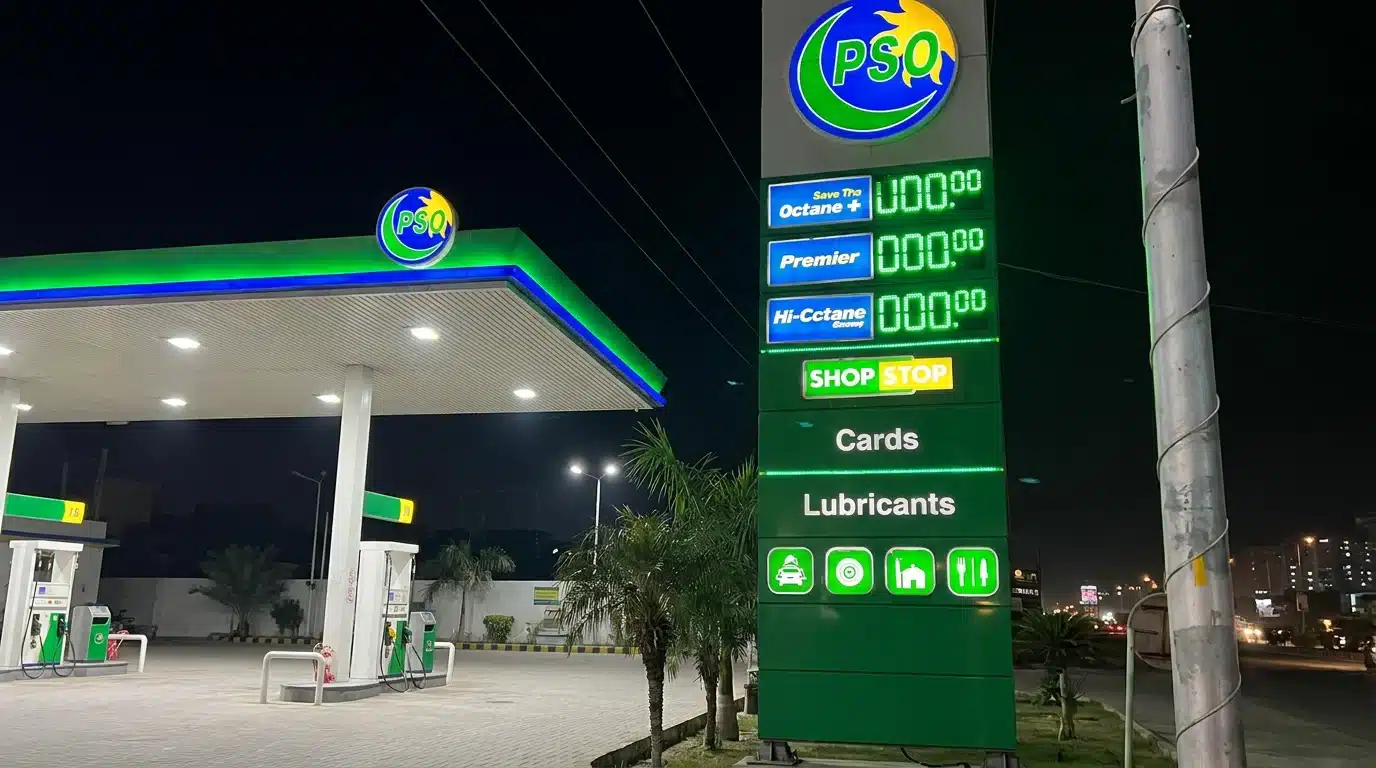
Petrol pump owners in Pakistan have raised concerns over the daily fuel pricing mechanism, saying frequent changes in petroleum prices are creating financial challenges for fuel retailers across the country.
The All Pakistan Petrol Pump Owners Association has requested a meeting with Petroleum Minister Ali Pervaiz Malik to discuss the impact of the pricing system on petrol pump operations and the financial difficulties faced by retailers.
According to the association, repeated adjustments in fuel prices are disrupting cash flow, creating inventory management problems and exposing petrol pump owners to potential financial losses. The owners want the government to consider their concerns and discuss possible measures to address the challenges.
Fuel retailers operate in a market where petroleum prices directly influence the value of their existing stock and the cost of replenishing supplies. When prices change frequently, managing purchases and sales can become more complicated, particularly for businesses that maintain substantial fuel inventories.
Petrol pump owners say these adjustments make it difficult to plan daily operations and maintain predictable cash flows. Retailers must coordinate fuel purchases, supplier payments, operating expenses and customer sales while responding to changing prices.
Inventory management is another major concern. Depending on the timing and direction of a price adjustment, the value of fuel purchased at an earlier rate may differ from the cost of obtaining fresh supplies. This can create financial uncertainty for retailers, although the actual impact depends on the applicable pricing rules, margins and stock arrangements.
The association’s request for a meeting indicates that petrol pump owners want to discuss these operational challenges directly with the petroleum ministry. The proposed talks could provide an opportunity for both sides to review how frequent price revisions affect fuel retailers and the wider petroleum supply chain.
Daily fuel pricing mechanisms are generally intended to reflect changing market conditions more frequently. However, the effects on businesses can vary depending on how quickly price changes are implemented, how retail margins are calculated and how existing inventories are valued.
For petrol pump operators, predictable procedures and clear communication around price revisions can be important for business planning. Retailers need to manage fuel supplies while ensuring that stations remain operational and customers can continue to access petrol and diesel.
The issue also matters to consumers because petrol pumps form a critical part of Pakistan’s transport and distribution network. Any operational difficulties affecting fuel retailers can raise questions about business sustainability and the smooth delivery of petroleum products, although the association’s concerns do not by themselves indicate that fuel shortages will occur.
Petroleum prices also influence transportation costs, logistics and household budgets. Changes in petrol and diesel rates can affect commuters, transport companies, delivery services and businesses that rely on road transport.
The government’s response to the association’s request will be important in determining whether discussions take place and whether any adjustments to the existing mechanism are considered. No agreement or policy change has been confirmed in the information provided.
For now, petrol pump owners are seeking direct engagement with Petroleum Minister Ali Pervaiz Malik to explain the financial pressure they say results from daily fuel price revisions. The outcome of any meeting could help clarify the government’s position and the options available to address retailers’ concerns.
The development has brought attention to the balance between responsive petroleum pricing and the operational needs of fuel retailers in Pakistan. Further details are expected if the association and the petroleum ministry hold formal discussions.