
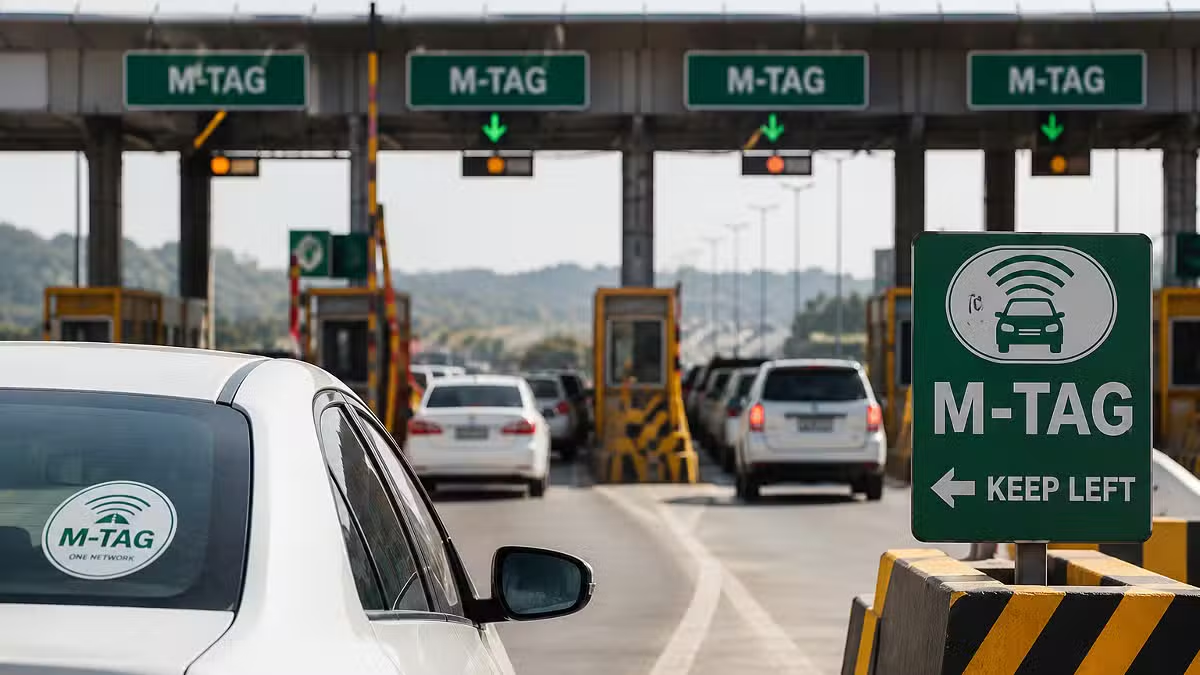
The Senate Standing Committee on Communications has raised concerns over alleged corruption within Pakistan’s motorway system, with particular attention given to toll collection operations in Sindh.
The committee also discussed concerns surrounding prolonged deputation postings involving officials working in the relevant departments.
The meeting was chaired by Senator Pervaiz Rashid, where members were briefed about measures being taken to address allegations of corruption within the motorway network.
Officials told the committee that the National Highways and Motorway Police (NHMP) follows a zero-tolerance policy toward corruption and misconduct.
The committee was informed that disciplinary action had already been taken against 178 officers in Sindh as part of efforts to maintain accountability within the department.
The disclosure came amid wider concerns about the transparency and effectiveness of toll collection operations across the province.
Toll collection is an important source of revenue for Pakistan’s highway infrastructure, making proper oversight and financial accountability essential for maintaining public confidence.
The Senate committee’s discussion indicates that lawmakers are seeking greater clarity over how motorway toll systems are managed and how allegations involving officials are investigated.
The issue of deputation postings was also highlighted during the meeting. Prolonged deputation arrangements can attract scrutiny when officials remain outside their original departments for extended periods.
Lawmakers are expected to remain focused on whether existing rules governing deputation are being properly implemented and whether long-term postings could affect administrative efficiency.
The National Highways and Motorway Police is responsible for maintaining road safety, enforcing traffic regulations and supporting law enforcement on national highways and motorways.
Officials emphasized that disciplinary measures have been taken against personnel found involved in misconduct, reinforcing the department’s stated position against corruption.
The action against 178 officers in Sindh demonstrates the scale of disciplinary proceedings reported to the committee, although allegations against individuals still require due process and appropriate investigation.
The Senate committee’s scrutiny could lead to further examination of toll collection procedures, administrative appointments and internal accountability mechanisms.
Improving transparency in motorway operations is particularly important as Pakistan continues to invest in its national road infrastructure and relies on toll revenues to support highway-related services and development.
The committee is expected to continue monitoring the situation and may seek additional information from relevant authorities regarding corruption allegations and deputation postings.
The discussion has placed renewed attention on governance and accountability within Sindh’s motorway system, while authorities face pressure to ensure that toll collection and departmental operations remain transparent and properly regulated.