
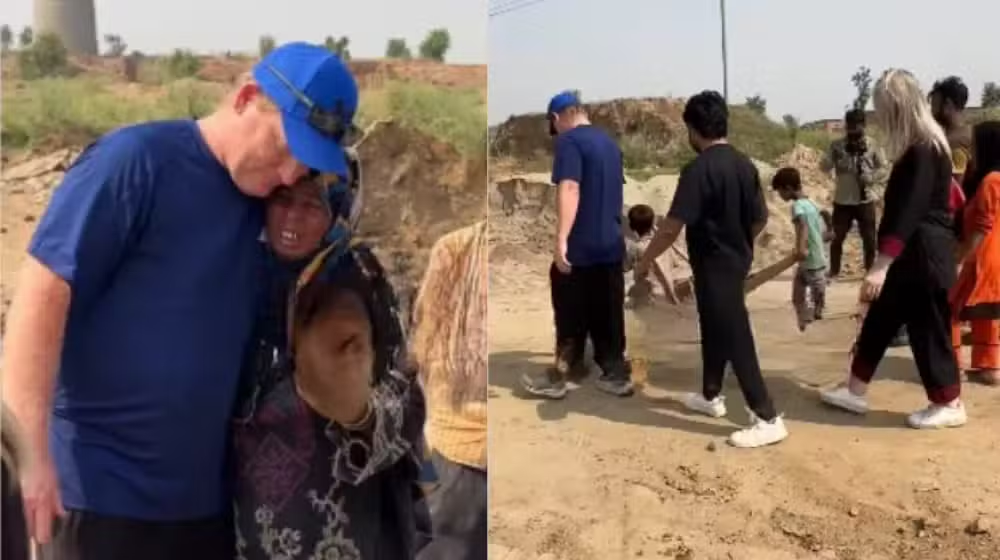
A family in Kasur has reportedly been released from bonded labor at a brick kiln after a foreign humanitarian stepped in to clear a long-standing debt that had kept four generations trapped in forced labor for nearly 140 years.
The incident has sparked widespread discussion across Pakistan, with many social media users expressing shock and sadness over the continued existence of conditions resembling modern-day slavery in vulnerable communities.
According to reports circulating online, the family had spent generations working at a brick kiln under a debt-based labor arrangement. Such systems often force workers and their descendants to remain tied to employers due to mounting loans, low wages, and exploitative conditions that make repayment nearly impossible.
The reported intervention by the foreign humanitarian allegedly resulted in the debt being paid off, allowing the family to finally regain their freedom after decades of labor under harsh circumstances.
Videos and images linked to the family’s release quickly gained attention online, triggering emotional reactions from people across the country. Many users described the case as a painful reflection of the economic hardships and exploitation still faced by marginalized families in parts of Pakistan.
Human rights advocates have long highlighted bonded labor as a serious issue in sectors such as brick kilns, agriculture, and mining. Despite legal protections and labor laws banning forced labor, activists argue that weak enforcement and poverty continue to leave many families vulnerable to exploitation.
Brick kiln workers in particular are often affected by informal debt systems where families borrow money for survival expenses and then struggle to escape the cycle due to low income and rising liabilities. In some cases, entire generations remain trapped in labor arrangements inherited from their parents.
The Kasur case has once again renewed calls for stronger government oversight, labor reforms, and improved protections for low-income workers. Social activists say sustainable solutions require better education access, fair wages, and enforcement of labor rights laws across the country.
Many online users also praised the humanitarian effort that reportedly helped secure the family’s release. At the same time, others stressed that systemic reforms are needed to prevent similar situations from continuing in the future.
The incident has highlighted the broader issue of bonded labor in South Asia and reignited debate on social inequality, labor exploitation, and the urgent need for stronger human rights protections in vulnerable communities.
Author

webdesk@pakbuzztoday.com
Related Posts

Pakistani Bodybuilder Rameez Ibrahim Wins Gold at Mr. America International Championship
Pakistani bodybuilder Rameez Ibrahim has brought pride to the country by winning a gold medal at the Mr. America International Bodybuilding Championship...

PCB Announces Schedule Details for National Women’s T20 Tournament 2026-27
The Pakistan Cricket Board (PCB) has announced details of the National Women’s T20 Tournament 2026-27, which begins in Faisalabad on October 10....

Pakistan Announces Squad for Hong Kong Sixes 2026, Mohammad Abbas Afridi to Lead
The Pakistan Cricket Board (PCB) has announced a seven-member squad for the Hong Kong Sixes 2026, with fast bowler Mohammad Abbas Afridi...
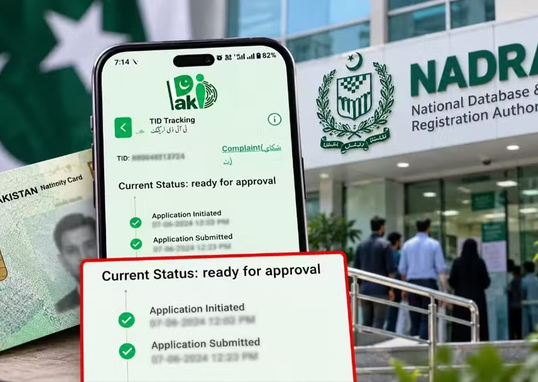
NADRA Explains ‘Ready for Approval’ Status on PakID App
The National Database and Registration Authority (NADRA) has clarified the meaning of the “Ready for Approval” status that applicants may see while...

PIA Plans to Expand Flights to Europe and the UK With Additional Aircraft
Pakistan International Airlines (PIA) is preparing to increase its flight operations to Europe and the United Kingdom as the national carrier works...

Pakistan Sees Major Shift as Digital Payments Reach 92% of Retail Transactions
Pakistan has witnessed a major transformation in the way people make payments, with digital channels accounting for 92 percent of retail payment...