
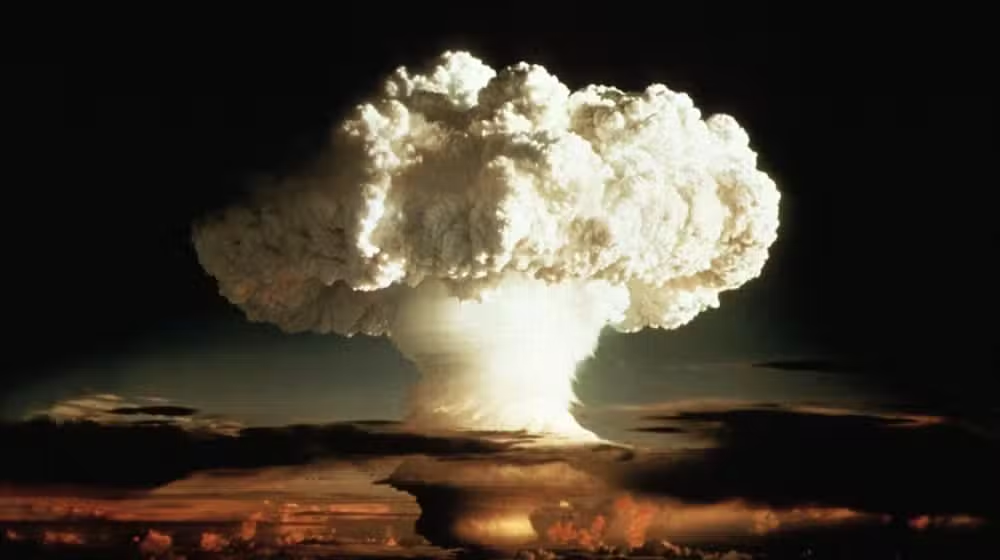
The World Health Organization has confirmed that it is preparing contingency plans for a potential nuclear incident as tensions rise in the ongoing conflict involving the United States, Israel, and Iran.
According to reports, the WHO is maintaining heightened vigilance and developing emergency response strategies to address worst-case scenarios. These include the possibility of a nuclear strike or attacks targeting nuclear facilities, which could have devastating humanitarian and environmental consequences.
The organization stated that its preparedness efforts are focused on ensuring rapid medical response, strengthening coordination with international partners, and mobilizing resources in case of large-scale emergencies. Such planning is part of WHO’s broader mandate to respond to global health crises, particularly in conflict zones where risks are significantly elevated.
While no nuclear incident has occurred, the escalating situation has raised concerns among global institutions about the potential for severe fallout. Health experts warn that any nuclear-related event could overwhelm healthcare systems, disrupt essential services, and create long-term public health challenges.
The WHO’s proactive approach reflects growing international concern over the stability of the region. Preparing in advance allows global health bodies to respond more effectively and mitigate the impact on civilian populations if the situation deteriorates.
Analysts emphasize that these measures are precautionary, aimed at readiness rather than indicating any confirmed action. However, the development highlights the seriousness of current geopolitical tensions and the need for continued diplomatic efforts to avoid further escalation.
Author

webdesk@pakbuzztoday.com
Related Posts

Pakistan’s Weekly Inflation Hits 1.4-Year High Amid Rising Price Pressures
Pakistan is witnessing a renewed surge in inflation, as the Pakistan Bureau of Statistics reported a sharp increase in the Sensitive Price...

How to Watch Pakistan vs Turks & Caicos Islands FIFA Series 2026
The FIFA Series 2026 kicks off in Côte d’Ivoire with an exciting moment for Pakistan as its women’s national football team prepares...
Pakistan Launches One-Day Hajj Service to Simplify Pilgrim Process
In a significant सुविधा for intending pilgrims, the Ministry of Religious Affairs and Interfaith Harmony has introduced a streamlined one-day Hajj service...

JazzWorld Promotes Digital Healthcare and Insurance Access Through Apna Clinic and FikrFree
On World Health Day, Jazz highlighted its continued efforts to improve healthcare accessibility and financial protection through its digital ecosystem, JazzWorld. The...

Pakistan’s Rising Squash Star Mahnoor Ali Clinches International Junior Title in Malaysia
Pakistan’s youth sports scene continues to shine on the global stage as emerging squash talent Mahnoor Ali secured a major international victory....

Pakistan Announces Wrestling Squad for Asian Beach Games 2026
Pakistan has officially unveiled its wrestling lineup for the upcoming Asian Beach Games 2026, set to take place from April 22 to...