
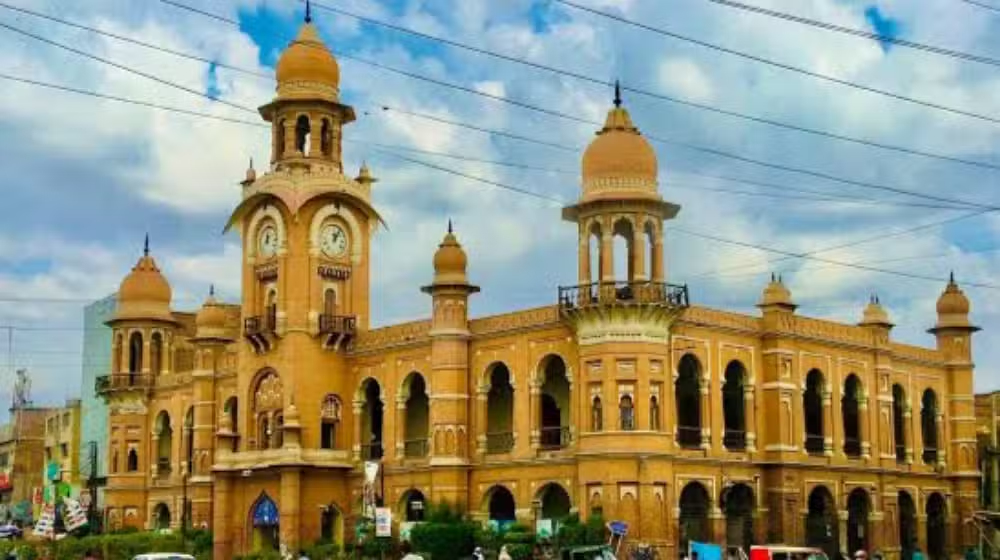
The historic Multan Clock Tower has officially reopened to the public following an extensive restoration and beautification project, marking an important moment for cultural preservation in South Punjab. The reopening reflects a broader effort by the Punjab government to safeguard heritage sites while promoting tourism and community pride.
The reopening ceremony was held on Tuesday and attended by South Punjab Additional Chief Secretary Fawad Hashim Rabbani, US Consul General Stetson Sanders, Public Diplomacy Officer Raquel King Nicudemus, and Multan Commissioner Amir Kareem Khan. Their presence highlighted the collaborative nature of the project, which brought together government institutions, international partners, and heritage experts.
The restoration of the Multan Clock Tower was supported by the United States government through its Cultural Heritage Preservation Program. Technical assistance was provided by the private organization THAAP, which specializes in the conservation of Pakistan’s architectural and cultural heritage. The partnership aimed to ensure that the structure was restored using historically accurate methods rather than modern alterations.
Officials involved in the project stated that the primary focus was to return the clock tower to its original architectural condition. Careful attention was given to preserving the design, materials, and aesthetic elements that define the landmark’s historical identity. Structural repairs were carried out to enhance safety, while surface restoration work revived the tower’s original appearance.
The Multan Clock Tower has long been a central symbol of the city’s history and urban life. Located in one of the oldest cities in South Asia, the tower has witnessed generations of social, commercial, and cultural change. Over time, exposure to weather, pollution, and lack of maintenance had taken a toll on the structure, making restoration a critical need.
Local residents and heritage enthusiasts have welcomed the reopening, viewing it as a positive step toward protecting Multan’s historic character. Many believe the restored landmark will help attract tourists, boost local businesses, and encourage further investment in heritage conservation across the region.
Speaking at the inauguration, officials emphasized that heritage preservation is not only about maintaining old buildings but also about strengthening cultural identity and community connection. The project is expected to serve as a model for future restoration efforts in South Punjab and beyond.
With the Multan Clock Tower now reopened, authorities hope it will once again become a focal point for visitors and residents alike. The successful completion of the project underscores the value of international cooperation and expert-led conservation in preserving Pakistan’s rich and diverse historical legacy.
Author

webdesk@pakbuzztoday.com
Related Posts

Osaka Batteries Strengthens Partnership with PCB for HBL PSL 11
Osaka Batteries has renewed its collaboration with the Pakistan Cricket Board for HBL Pakistan Super League Season 11, reinforcing a partnership that...
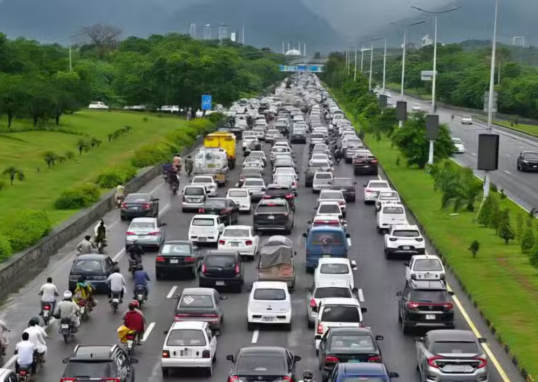
NITB Seeks Rs. 20 Crore Funding for Smart Traffic Monitoring Project in Islamabad
National Information Technology Board has requested Rs. 208 million in funding for the upcoming fiscal year 2026-27 to advance its Smart Islamabad...

AirSial Expands Network with New Islamabad–Sukkur Weekly Flight
AirSial is set to enhance domestic connectivity by launching a new flight route between Islamabad and Sukkur. The move reflects the airline’s...

BigBaat to Live Stream HBL PSL 11, Expanding Digital Access to Pakistan’s Biggest Cricket Event
Pakistan’s rapidly growing digital platform BigBaat is set to stream the highly anticipated HBL Pakistan Super League 11, bringing fans closer to...
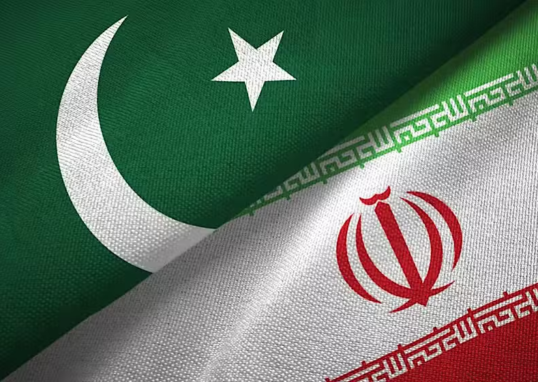
FBR Establishes New Customs Station at Pak-Iran Border to Ease Passenger Movement
The Federal Board of Revenue has set up a new customs station at the border between Pakistan and Iran, aiming to facilitate...

The Ticking Bomb: Pakistan’s Water Crisis Demands Urgent Action
Pakistan is no longer merely water-stressed; it is on the brink of absolute water scarcity. As of 2026, the country’s per capita...