
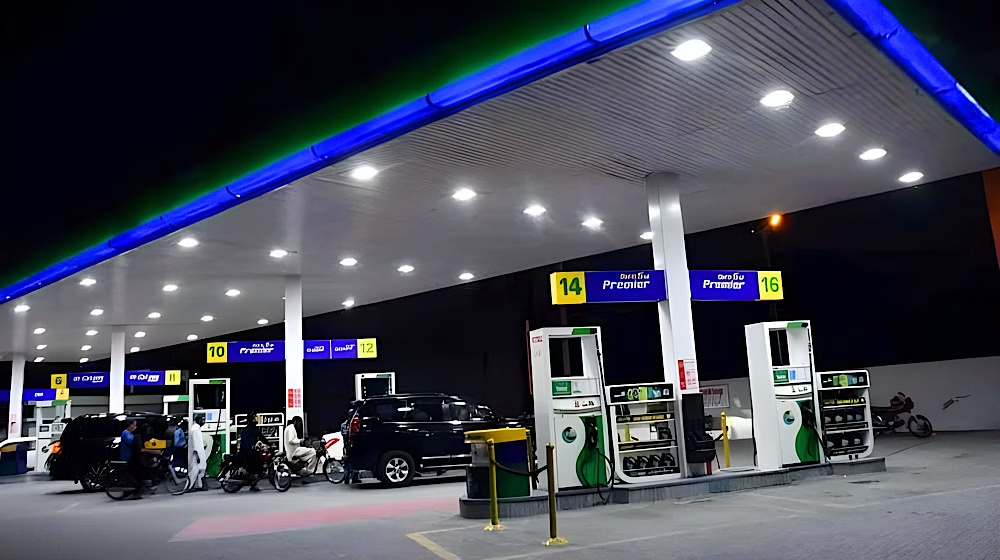
Pakistan’s fuel retail and distribution system is set to undergo a significant digital overhaul as the Petroleum Division moves forward with the rollout of a nationwide track and trace system. The initiative is aimed at tackling fuel smuggling, leakages, and undocumented sales that have long plagued the petroleum supply chain.
According to officials, the new system will digitally monitor fuel movement from depots to petrol pumps, introducing real-time visibility at every stage of distribution. The move marks one of the most important reforms in Pakistan’s petroleum sector in recent years.
The track and trace mechanism will use digital monitoring tools to record fuel quantities, transportation routes, delivery points, and sales data. Each fuel consignment will be logged electronically, reducing opportunities for illegal diversion and manipulation.
Authorities believe that the lack of digital oversight has allowed large volumes of fuel to be smuggled or sold outside the formal economy. This has resulted in revenue losses, distorted fuel pricing, and uneven competition among petrol pump operators.
Once implemented, petrol pumps across Pakistan will be required to integrate with the system. Fuel inflows and outflows will be automatically recorded, enabling regulators to quickly identify discrepancies between supplied and sold quantities.
The Petroleum Division has stated that the system will strengthen accountability not just at petrol pumps, but across oil marketing companies, storage facilities, and transportation networks. Regulators will be able to track fuel movement in real time, making it significantly harder for illegal fuel to enter or exit the supply chain unnoticed.
In addition to curbing smuggling, the initiative is expected to improve fuel availability and stabilize supply patterns, particularly in border regions where illegal trade has historically disrupted local markets.
Industry insiders say the digital shift could also benefit compliant petrol pump owners by creating a more level playing field. Operators following legal standards often struggle to compete with outlets selling smuggled fuel at lower prices. The new system is expected to reduce such unfair practices.
The government views this digital reform as part of a broader effort to modernize Pakistan’s energy sector, improve governance, and increase tax collection without raising fuel prices. Improved data transparency is expected to help policymakers make better decisions on pricing, supply planning, and emergency reserves.
While an official nationwide launch date has not yet been announced, pilot testing and phased implementation are expected in the coming months. Petrol pump operators will likely be given a transition period to comply with new technical requirements.
As Pakistan continues to digitize key economic sectors, the track and trace system represents a major step toward transparency, efficiency, and long-term sustainability in the fuel industry.
Author

webdesk@pakbuzztoday.com
Related Posts

Pakistan’s Weekly Inflation Hits 1.4-Year High Amid Rising Price Pressures
Pakistan is witnessing a renewed surge in inflation, as the Pakistan Bureau of Statistics reported a sharp increase in the Sensitive Price...

How to Watch Pakistan vs Turks & Caicos Islands FIFA Series 2026
The FIFA Series 2026 kicks off in Côte d’Ivoire with an exciting moment for Pakistan as its women’s national football team prepares...

Pakistan Launches One-Day Hajj Service to Simplify Pilgrim Process
In a significant सुविधा for intending pilgrims, the Ministry of Religious Affairs and Interfaith Harmony has introduced a streamlined one-day Hajj service...

JazzWorld Promotes Digital Healthcare and Insurance Access Through Apna Clinic and FikrFree
On World Health Day, Jazz highlighted its continued efforts to improve healthcare accessibility and financial protection through its digital ecosystem, JazzWorld. The...

Pakistan’s Rising Squash Star Mahnoor Ali Clinches International Junior Title in Malaysia
Pakistan’s youth sports scene continues to shine on the global stage as emerging squash talent Mahnoor Ali secured a major international victory....

Pakistan Announces Wrestling Squad for Asian Beach Games 2026
Pakistan has officially unveiled its wrestling lineup for the upcoming Asian Beach Games 2026, set to take place from April 22 to...