
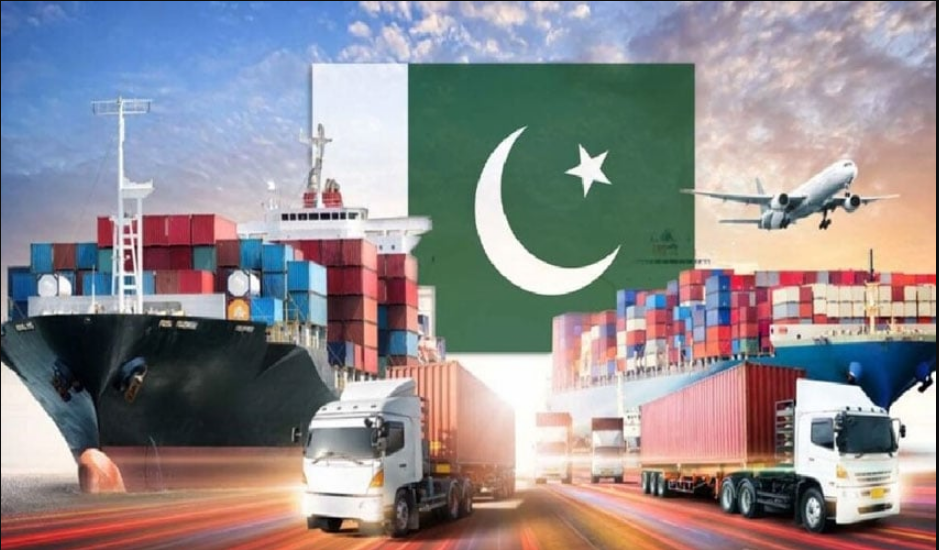
The federal cabinet has approved a new barter trade framework, introducing significant reforms to simplify and expand trade with Afghanistan, Iran, and Russia. The updated mechanism aims to strengthen regional economic ties by promoting goods-for-goods exchange under a more flexible, transparent, and business-friendly structure.
According to the Ministry of Commerce, the new system extends the barter trade period from 90 to 120 days, allowing traders additional time for transactions and documentation. This amendment, introduced through an official notification, updates Pakistan’s business-to-business (B2B) barter trade mechanism under the country’s import and export policy framework.
The revised framework allows imports and exports based on value equivalence, ensuring that trade remains balanced between Pakistani businesses and their counterparts in partner countries. The move is expected to enhance commercial activity, particularly in border regions, by encouraging private sector participation and reducing regulatory hurdles.
Customs authorities will now play a key supervisory role by monitoring barter transactions on a quarterly basis. Traders are required to reconcile their import and export values every three months. Failure to submit timely reconciliations will result in the automatic cancellation of trade permits. This oversight mechanism has been designed to maintain transparency, prevent misuse, and ensure compliance with trade laws.
Another major change eliminates the earlier requirement of importing goods before exporting, which had previously slowed down trade operations. Under the new rules, imports and exports can now occur simultaneously, providing much-needed efficiency and flexibility for traders.
The framework also allows private institutions to form consortiums to conduct barter trade collectively, broadening the scope for participation. However, strict penalties will apply to consortium members that fail to comply with trade or tax regulations, reinforcing accountability within the system.
Exporters have been formally integrated into the new mechanism, expanding opportunities for businesses of all scales. The government has removed several outdated provisions and replaced them with policies designed to foster growth, streamline customs procedures, and attract new participants to the barter system.
A notable structural reform is the removal of the restrictive list of barter trade items, aligning the system with Pakistan’s general import and export policy. This shift gives businesses greater autonomy to negotiate trade items directly with counterparts in Afghanistan, Iran, and Russia, enabling a more dynamic and market-driven approach.
Officials expect the revamped framework to boost regional trade volumes, particularly in essential goods, agricultural products, and energy-related commodities. The policy aligns with Pakistan’s broader economic vision of strengthening bilateral and multilateral trade partnerships through innovation and policy modernization.