
A Landmark in Climate Action
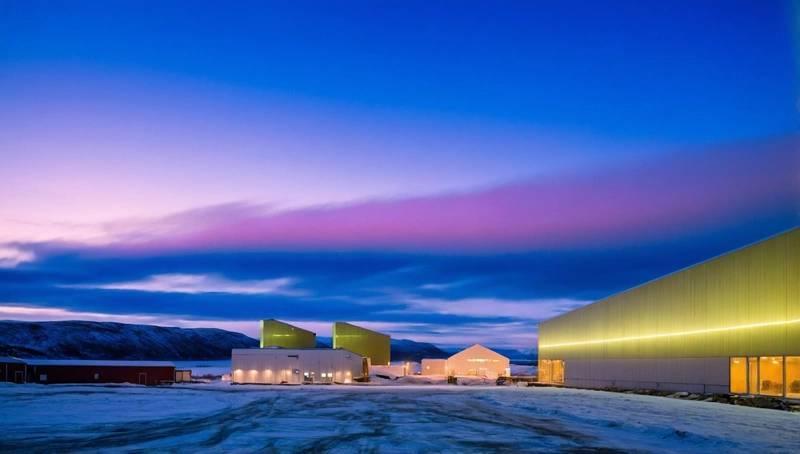
The world has entered a new phase in the fight against climate change with the launch of the Northern Lights project off Norway’s coast. Marketed as the first commercial-scale carbon storage service, the project successfully injected its first batch of CO₂ into a geological reservoir beneath the North Sea seabed.
Tim Heijn, Managing Director of Northern Lights, confirmed: “We now injected and stored the very first CO₂ safely in the reservoir. Our ships, facilities, and wells are now in operation.”
How does it work?
The process begins with CO₂ captured at smokestacks across Europe. After capture, the gas is liquefied and shipped to the Øygarden terminal near Bergen. From there, it is stored in tanks before being transported via a 110-kilometer pipeline and injected 2.6 kilometers below the seabed for permanent storage.
Partners and Early Clients
The initiative is a collaboration between Equinor, Shell, and TotalEnergies. The first delivery came from Heidelberg Materials’ cement plant in Brevik, Norway. To date, three commercial contracts are in place:
- Yara ammonia plant in the Netherlands
- Two Ørsted biofuel plants in Denmark
- Stockholm Exergi thermal power plant in Sweden
Capacity and Future Plans
Currently, Northern Lights can store 1.5 million tonnes of CO₂ annually, with plans to expand to 5 million tonnes by 2030. The project receives major backing from the Norwegian state, highlighting its role as both a climate solution and a test case for global carbon capture.
Challenges Ahead
Despite its promise, carbon capture and storage (CCS) remains costly. In many cases, it is cheaper for industries to purchase emission permits under the EU carbon market than to pay for capture and storage. Still, the project has been endorsed by the IPCC and IEA as vital for hard-to-abate sectors like steel and cement.